01 / 06 — Tease
Teaser
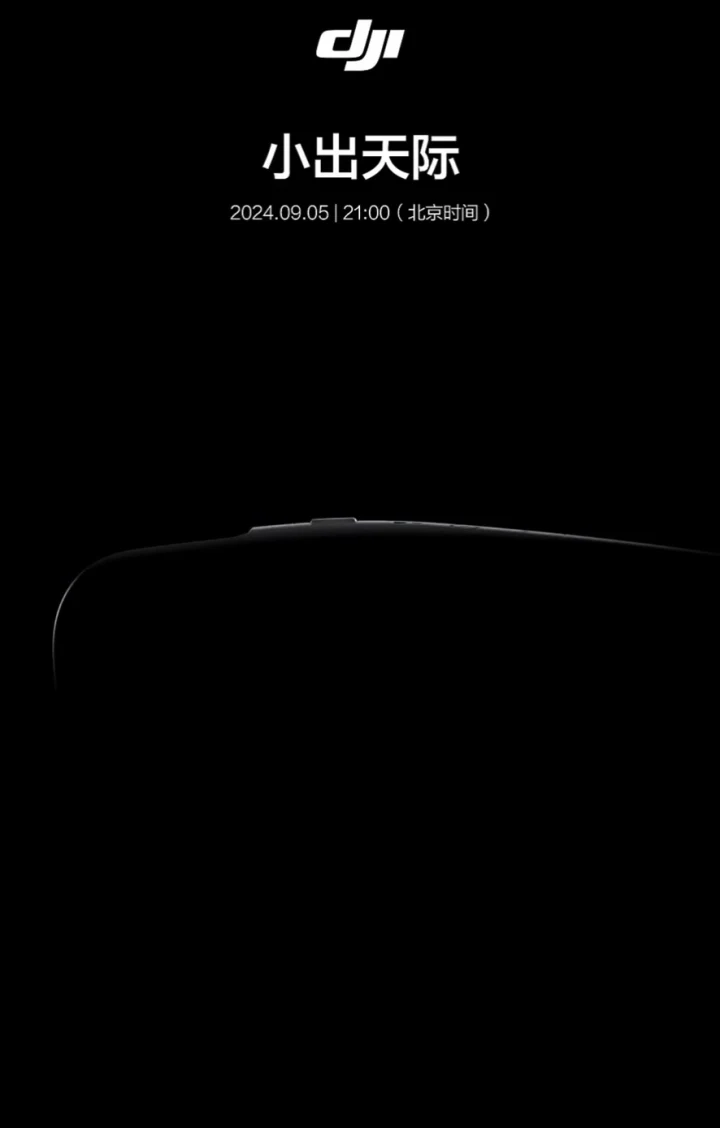
I built the teaser around part of Neo’s compact, rounded body and kept the rest hidden. The shape looked unlike DJI’s other drones, giving followers something to guess and debate before the reveal.
0:00
01 — Product Launch
Launch planning and creative production across multiple DJI products.
Product Marketing & Launch Communications
DJI Neo’s China launch had to sell a drone to people who weren’t shopping for one. I planned and produced launch content that pitched it as an everyday camera: launch it from your palm, and it keeps you in the shot.
DJI Neo, a 135g palm-launch camera drone
Mainland China
July–November 2024
Positioning & messaging · Launch content planning · Creative production
Young adults who film travel and daily life on their phones; DJI followers
Launch livestream, short-form video platforms, creator partnerships
Teaser, unboxing and feature demo, creator collaborations, real-life demos, social challenge clips, creator reviews, scenic film
400K+ units sold in the first four months · Named Engadget’s camera of the year for 2024 · 7M+ views across platforms for launch content
01
For most of its buyers, Neo’s real competitor wasn’t another drone. It was the phone.
The priority audience was young adults who already filmed trips and daily life on their phones. Few had ever shopped for a drone. The launch had to give them a reason to carry a second camera.
HOVERAir defined the category. Its X1 offered palm launch and auto-tracking at 125g, but shot 2.7K/30fps. The X1 PRO and PROMAX, crowdfunded from August 2024, moved up to 4K/60fps and 8K/30fps, but weighed about 190g and listed at $499 and $699. Neo sat between them: sharper than the X1 at almost the same weight, 4K like the PRO line, but about 55g lighter, and cheaper than all three at $199.
Neo matched them on portability and ease. It beat them on the view. It frames and follows the whole person and the place around them, automatically. A selfie can’t get that.
Three doubts stood in the way:
Drones look hard to fly.
My phone already works.
Something this small can’t shoot well.
02
Claim the segment. HOVERAir reached the selfie-drone market first. Neo had to make DJI the default choice for a first flying camera.
Open a new door to DJI. Neo was a low-risk first DJI purchase for people outside the drone market. Once inside, owners could add an RC-N3 controller, Goggles 3 or RC Motion 3, and keep growing with the brand.
Move first-time buyers through three steps: from never considering a drone, to seeing Neo as a camera, to trusting it enough to buy.
Tease: speculation and discussion volume before the reveal.
Launch: livestream watch time and unboxing completion rate.
Sustain: share of views from non-followers; saves and shares on creator content; click-through to e-commerce; and comments shifting from “Is it hard to fly?” to “How much is it?”
03
People want the aerial shot. They don’t want to become drone pilots.
Polished drone footage tends to read as the work of a skilled pilot. Viewers admire the shot and assume it isn’t for them. So every piece showed the simple action and the finished shot together, in moments viewers already live: a day out, a skate session, a hike. If the new view cost almost no extra effort, buying it became an easy call.
04
Positioning: a camera that flies, not a smaller drone
I framed Neo as an everyday camera for trips and time with friends: as light and simple as a phone, sharp enough to trust, and at $199, an easy add-on to the phone already in their pocket. Its promise: you're always in the shot, from an angle no phone can reach.
Lead benefit: a great shot anyone can take, with themselves in it.
Reasons to believe: palm takeoff, subject tracking, QuickShots presets, a 135g body, 4K stabilized video, and a $199 price.
Next layer: phone, voice, remote controller, and goggles control. These came only after the basics, so the first message stayed simple.
Launch livestream, including vertical streams on short-video platforms: the full product story, for people already interested.
Short-form video: one benefit per clip, built to land in a feed without the livestream.
Creators: real use in real activities, plus hands-on reviews where the price case comes from a third party, shown to followers who come for the trip, not the gear.
I sequenced the launch in three phases, each serving a different audience and answering a different question.
Tease: DJI followers. Build anticipation.
Launch: interested buyers and new owners. Explain the product.
Sustain: undecided buyers and people who missed the launch. Show everyday use, reach new viewers, and clear up any remaining doubts.
Scroll through the launch
01 / 06 — Tease
I built the teaser around part of Neo’s compact, rounded body and kept the rest hidden. The shape looked unlike DJI’s other drones, giving followers something to guess and debate before the reveal.
02 / 06 — Launch
This piece went live right after the launch presentation. I opened it on palm takeoff because that one move proved three claims at once: small, light, no controller needed. Phone, voice, controller, and goggles came next. Buyers could judge Neo in seconds, and new owners got a quick-start guide.
03 / 06 — Sustain
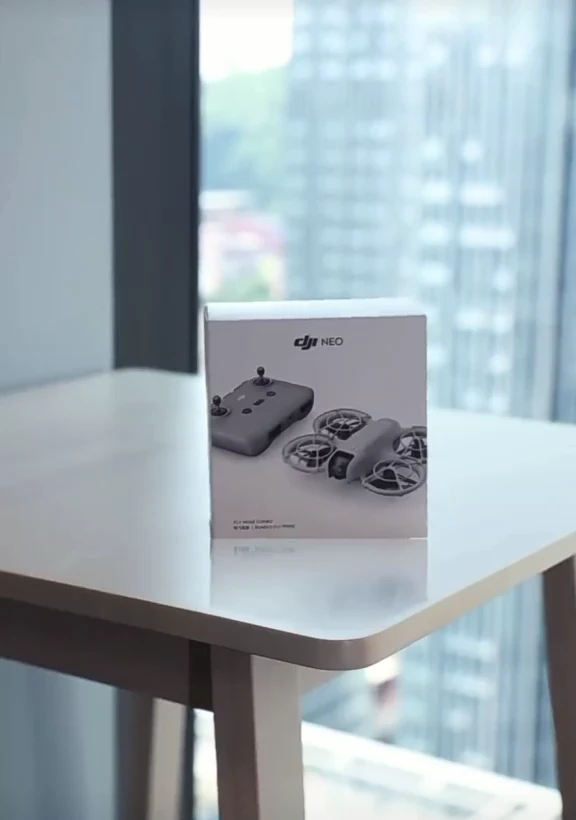
DJI’s larger drones usually sell sweeping landscapes and skilled flying. This content did the opposite, showing Neo in ordinary moments through creator collaborations and real-life demos. In the featured travel film, a couple on a day out launch Neo from a palm, and it follows them, keeping both in frame the whole time. Neither could get that shot with a phone. Hesitant buyers saw uses they could picture for themselves.

04 / 06 — Sustain
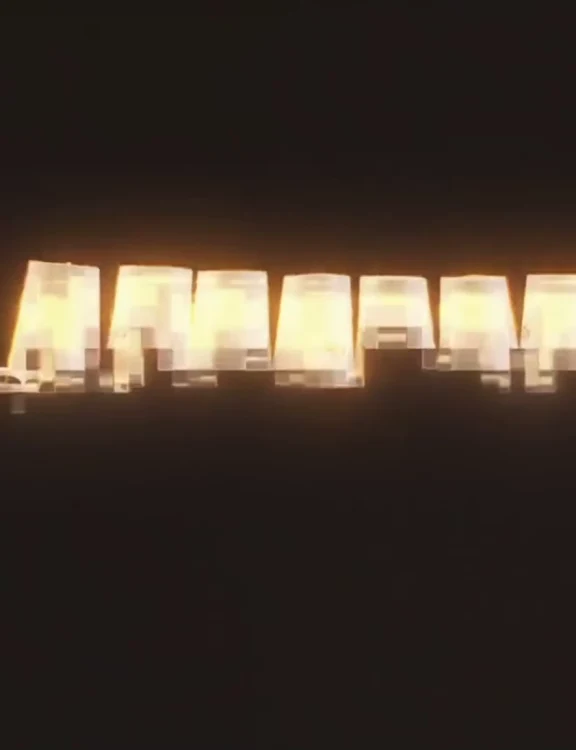
These clips led with the stunt, not the product: Neo threading through a cup tower, Neo flying between a skateboarder’s legs. Viewers stopped for the trick and stayed to see what pulled it off. They reached people who would never search for a drone.
05 / 06 — Sustain
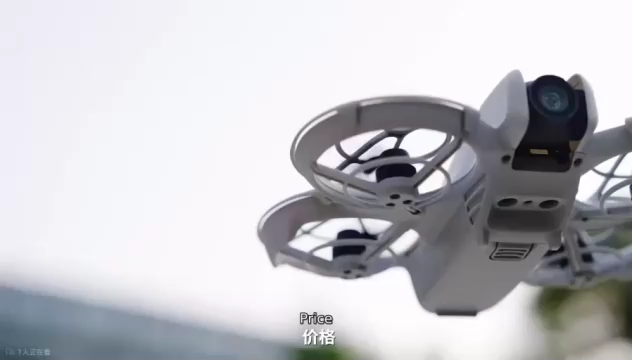
Price as proof
Price was Neo's sharpest edge, but a brand calling itself affordable rarely convinces anyone. So we partnered with creators on hands-on reviews. Each tested Neo in real use, and the $199 price came up as part of their verdict. Viewers heard the value from a third party they already trusted, alongside footage that showed what the money bought.
06 / 06 — Late Sustain
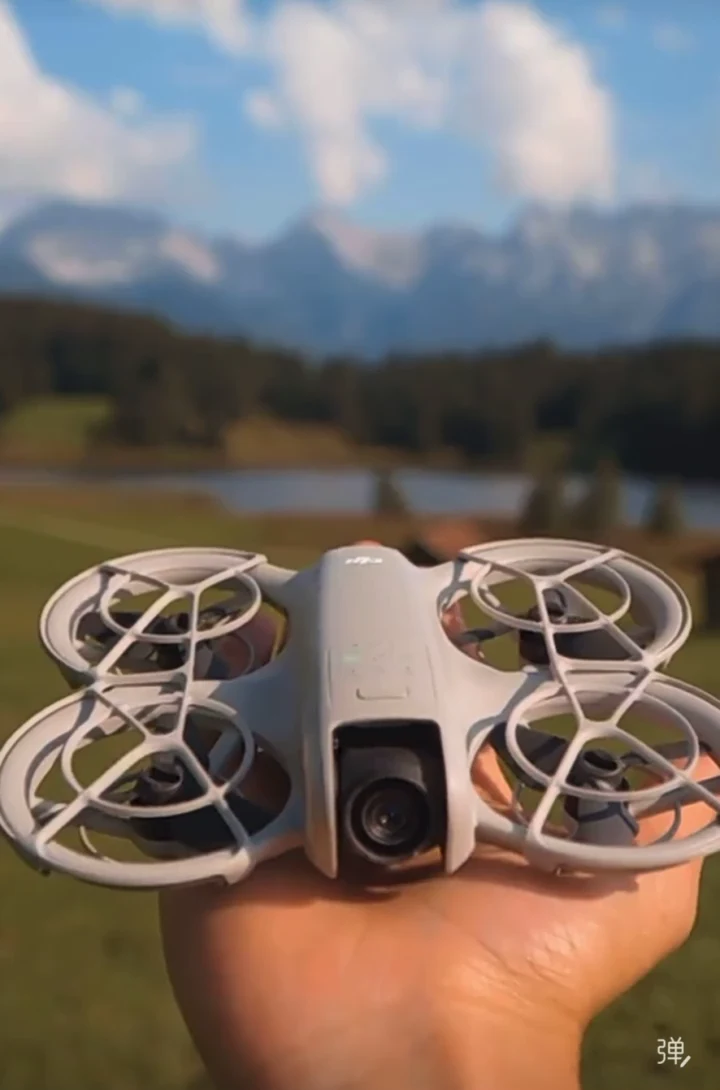
By late in the cycle, image quality was the main open question. I saved the big landscapes for this moment: a palm launch, then wide mountain views with the person still in frame. It was the same one-hand start, now proving the footage held up.